
Beyond Screens: Hut-to-Hut Journeys With Map and Compass
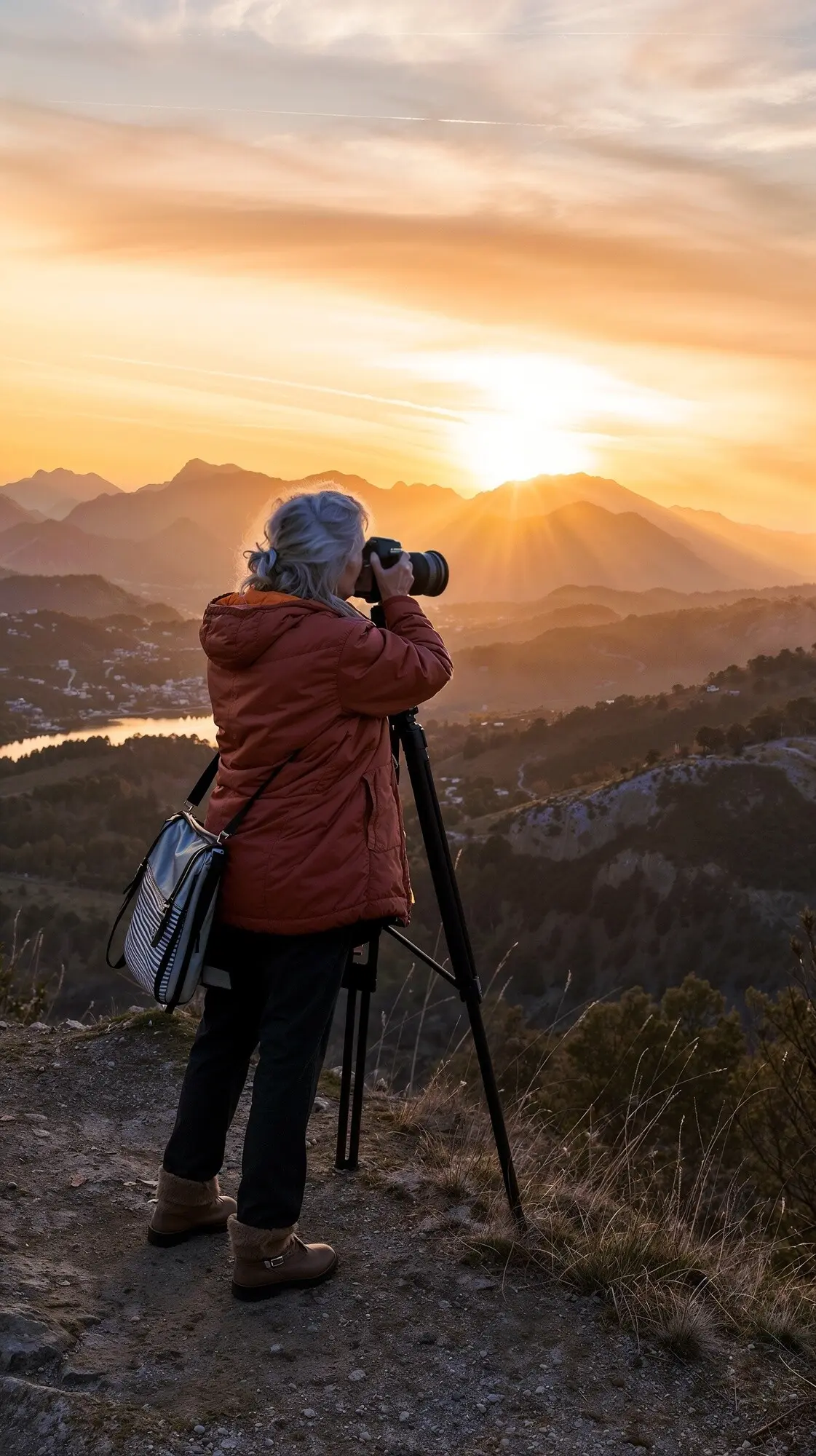
Step into a quieter world where paper maps whisper possibilities and a steady needle points the way between welcoming mountain huts. We’ll explore map-and-compass trekking routes and hut-to-hut travel without screens, celebrating precise bearings, thoughtful pacing, shared tables, and dawn departures. Expect practical navigation techniques, safety wisdom, gear that truly matters, and stories of community. Stay with us, ask questions, and add your insight as we build confidence to wander purposefully, responsibly, and joyfully along honest lines and real horizons.

Finding North, Finding Yourself
Before footsteps touch the trail, clarity begins at the table with a spread map, a well-set declination, and a promise to trust observation more than notifications. Learn to read relief from lines, translate landmarks into bearings, and use pacing to stay calm when paths fade. This approach cultivates attention, patience, and judgment. By the time you shoulder your pack, your route will live in your head and heart, not a screen, giving every decision a steadier, kinder rhythm.
Stage Lengths That Breathe
Choose distances that account for contour density, underfoot conditions, and your group’s real pace, not its bravado. Plan buffers for photo pauses, ankle adjustments, and the simple gift of unhurried views. Gentle itineraries preserve joy as weather changes and confidence evolves. A route that breathes allows flexible decisions, safe detours, and unplanned cups of tea, turning pressure into presence while keeping you aligned with daylight windows, warm huts, and the quiet satisfaction of arriving with gracious energy.
Offline Courtesy Travels Far
Without instant messages, respect flows through preparation and thoughtful timing. Call or write hut wardens before leaving service, carry small cash, and obey posted quiet hours. Offer to chop wood, refill water, and tidy shared spaces. Kindness multiplies when radios are low and signals absent. Offline, your attitude is your announcement: patience when stoves are crowded, empathy for sore knees, and gratitude for bunks. These habits stitch strangers into companions and turn shelters into true homes along the trail.
Analog Gear That Earns Its Weight
Every gram should serve clarity, comfort, or care. Choose a waterproofed map, a reliable baseplate compass, a simple analog altimeter, and a rugged notebook with pencil. Pair these with layered clothing, steady boots, and a minimalist repair kit. A small candle, earplugs, and a bandana can mean better sleep and calmer evenings. When your tools are simple, durable, and understandable at a glance, your attention returns to cairns, clouds, and companionship, not to charging cables or blinking icons seeking approval.
Weather, Landforms, and Safer Choices
{{SECTION_SUBTITLE}}

Reading Skies and Air
High, fast-moving clouds, thickening halos around the moon, or a sudden temperature drop may signal an approaching front. Listen to wind direction at treeline and compare it to valley breezes. Track barometric changes with a simple altimeter, noting pressure trends over hours. These observations guide decisions about ridgelines, passes, and rest days. As your awareness deepens, you will feel weather as more than data, responding with timing and route adjustments that respect safety without sacrificing the joy of discovery.
Handrails, Catching Features, and Aiming Off
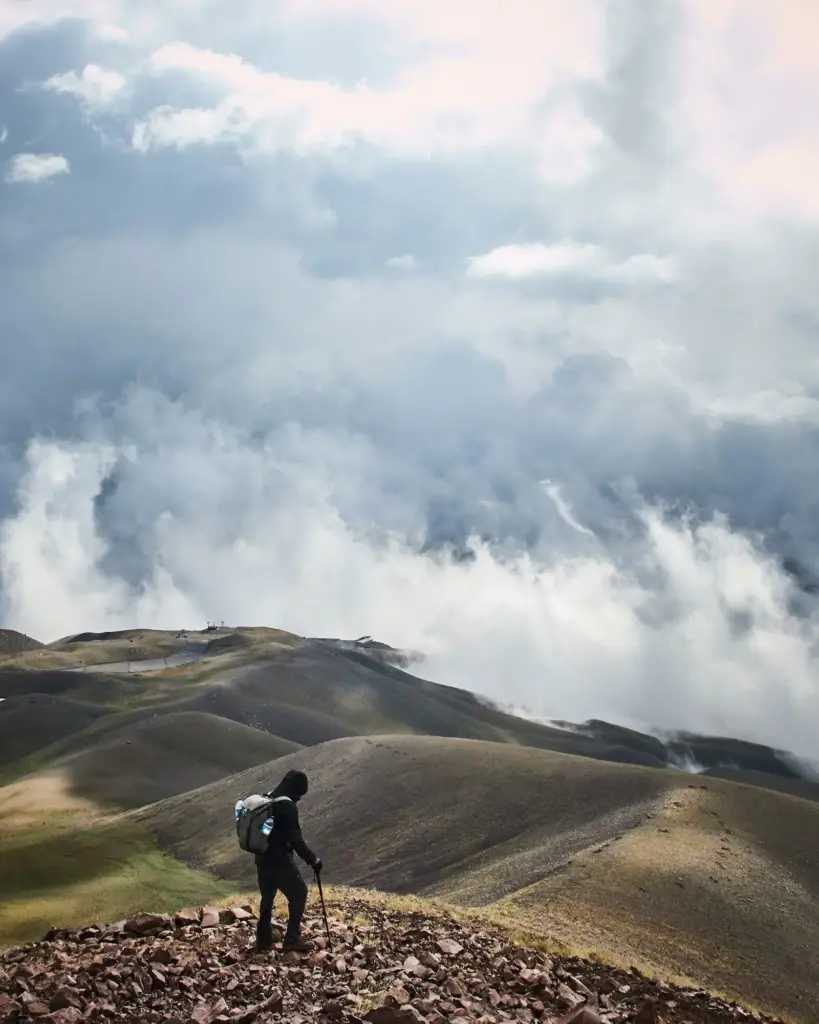
In fog, forest, or snowfall, friendly features keep you found: follow streams, ridgelines, or walls as handrails; plan distinct catching features like huts, bridges, or saddles; and aim off so your bearing reliably dumps you onto a linear feature you can interpret. These techniques replace anxiety with structure. They thrive on patient pacing, frequent checks, and honest notes, turning challenging visibility into a learnable problem where small successes stack, stress shrinks, and judgment gently becomes your most trusted companion.
Footprints and Firelight: True Stories
Journeys remembered best are not the cleanest lines, but the honest ones. A bearing held through drizzle, a reentrant finally understood, a warden’s soup after a shivery creek crossing, laughter under drying socks, and a dawn that made everyone quiet. These stories hold lessons: slow down earlier, share chocolate sooner, check declination twice. Gather them in your notebook and share them generously, because each memory sketches a map others can follow with fewer stumbles and more grace between huts.
A Reentrant Lesson at Dusk
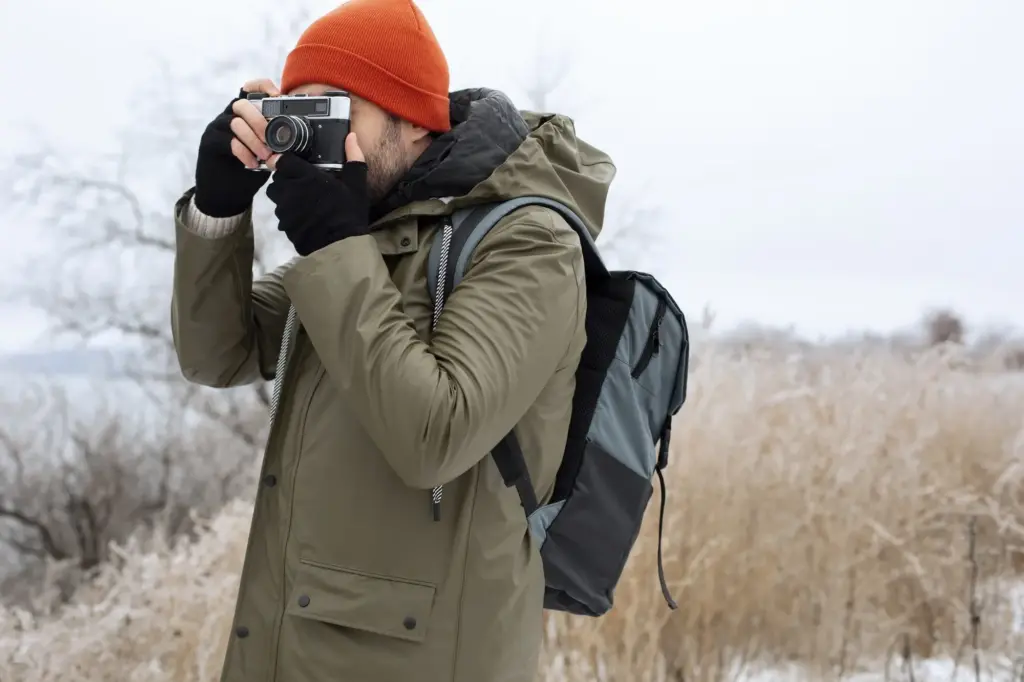
We once misread a shallow fold as a solid spur and drifted downslope into draining light. Rather than push blindly, we paused, took a calm back-bearing, and counted paces to a known stream handrail. Ten careful minutes returned us to certainty. That evening in the hut, we traced the error, laughed gently, and marked the contour nuance. Later readers of our notes thanked us, proving that mistakes, kindly examined, become gifts that keep companions safer when shadows lengthen.

Bread, Tea, and a Shared Table
Cold, wet, and slightly rattled, we arrived to the glow of a potbelly stove and the quick kindness of strangers. Someone offered bread, another poured tea, and conversation bridged languages. We traded route tips, chores, and songs. By lights-out, the room felt like family. In the morning, a child pressed a tiny drawing into our notebook: mountains, a hut, three smiling dots. That paper rides with our map, reminding us that shelter is usually built from people first.
Stars, Silence, and a Slow Descent
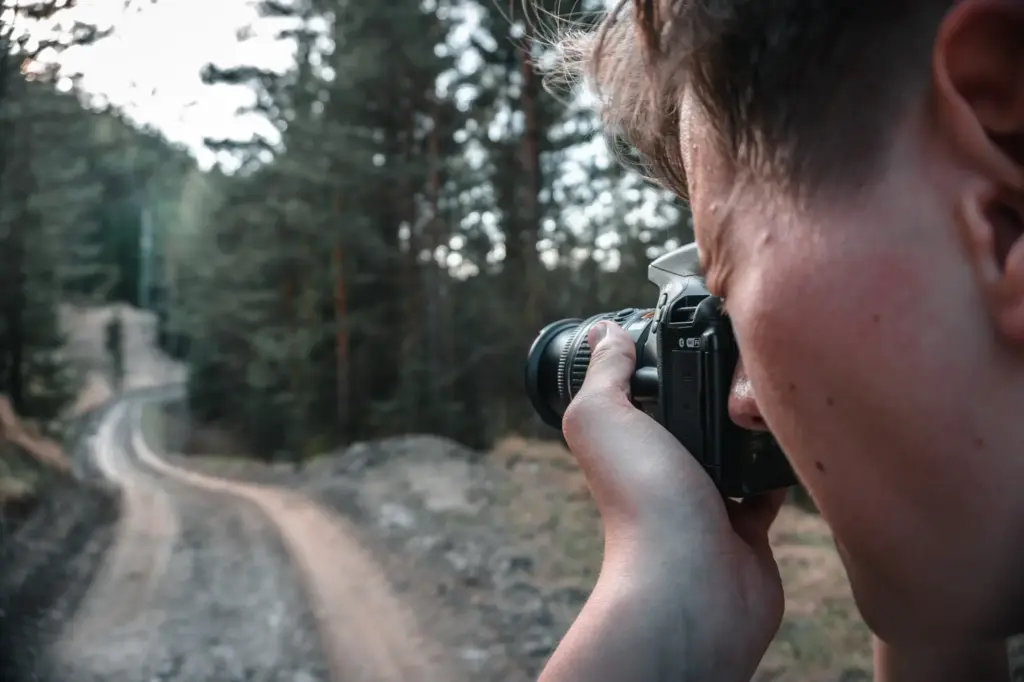
A clear night tempted us toward a viewpoint. We brought layers, headlamps, and a strict turnaround time. After a few quiet minutes under cold constellations, we honored the clock, descended slowly, and traced reflective markers back to warmth. The discipline felt beautiful, not strict. Safety preserved wonder; wonder rewarded safety. In the logbook, we wrote only a single line: returned with gratitude. Later, reading it again, we remembered the hush between breaths and how simple care expands every horizon.
A Walkthrough Planning Sheet
Sketch each day’s start, bearing legs, distance estimates, and known catching features, adding hut contacts and backup bailouts. Note sunrise, sunset, and probable wind exposure for passes. Keep margins for field notes and real timings. This sheet becomes a living contract with your future self, replacing uncertainty with clarity. As you update it each evening, your next morning starts calmer, your conversations become crisper, and your decisions reflect care rather than haste or guesswork.
Letters and Routes From You
We welcome your handwritten route notes, scans of annotated maps, and reflections on what surprised you between huts. Share where a bearing saved an hour, where a spring ran dry, or where a warden’s advice changed your day. We gather these into community resources for future readers. Add your voice, correct our errors kindly, and ask hard questions. Your lived detail turns guidance into companionship, making screenless navigation feel less solitary and more like a shared craft worth tending together.
Make a Date With a Trail

Choose a weekend, commit with someone you trust, and keep logistics humble: a nearby loop, one hut, two bearings that matter. Pack the map, the compass, the notebook, and a patient attitude. Promise to adjust for clouds, knees, or smiles. Afterward, write to us with what worked and what you’d change next time. Small, honest trips compound into wisdom faster than big plans postponed. The trail is waiting, and the huts are warmer when your steps arrive on purpose.
All Rights Reserved.