
Wild Light on Silver: Off‑Grid Alpine Film Adventures
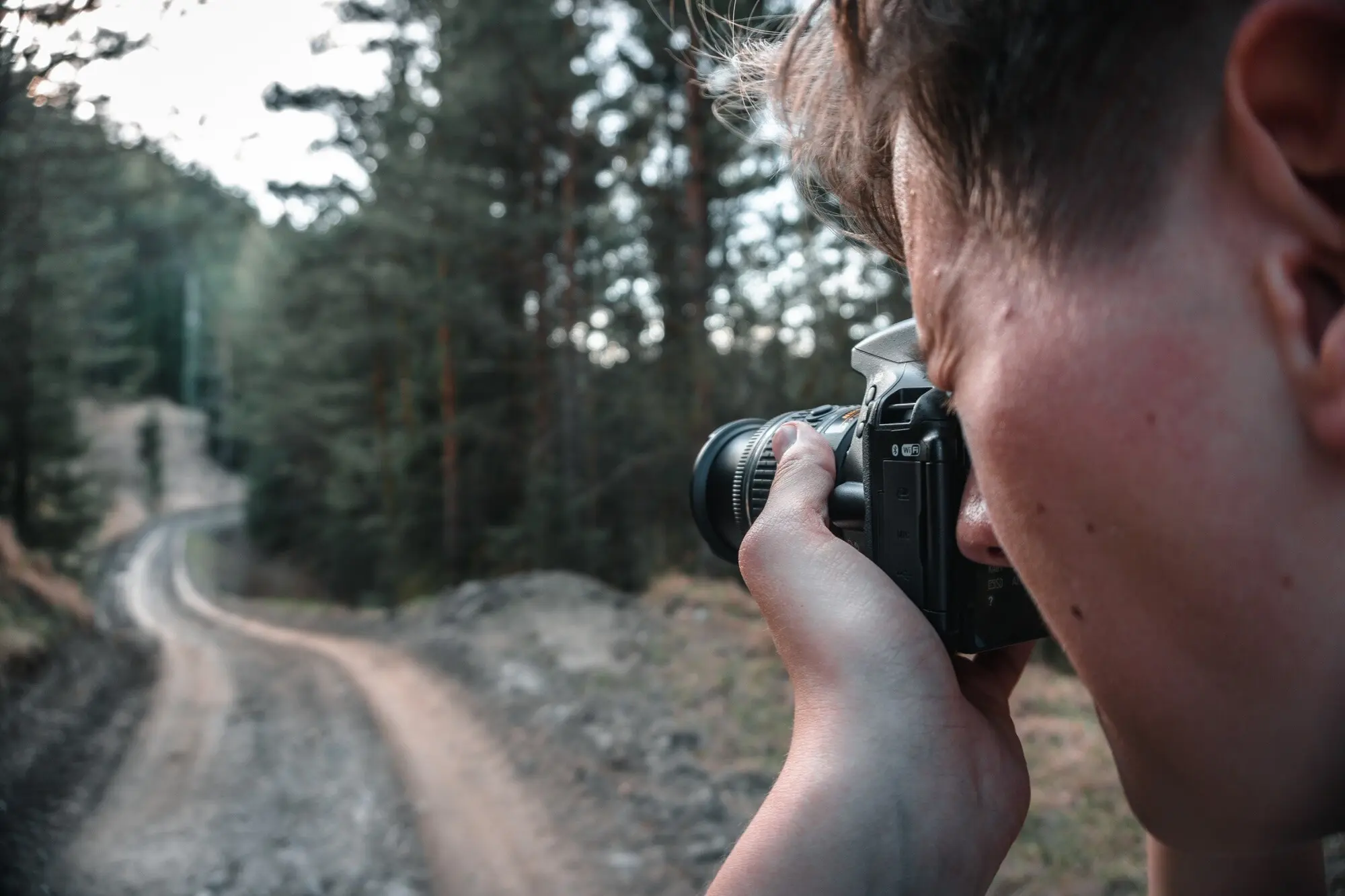
Step into Film Photography in the High Alps: Shooting, Developing, and Storytelling Off‑Grid, where silver crystals meet thin air, brutal sun, and profound quiet. We will journey through practical field methods, resilient gear choices, improvised darkroom rituals, and narrative strategies that honor people and peaks alike. Expect hard‑won tips, true mishaps, and small miracles born from patience, altitude, and craft, so your negatives carry not just images, but breath, grit, and the hush of snowfields waiting beneath a sky that never seems to end.
Packing for Altitude Without Sacrificing Vision
Up high, every gram argues back, yet vision still demands options. The trick is balancing reliability, weight, and expressive range. Mechanical shutters shrug off numb batteries, compact lenses cut bulk, and smart film choices create latitude against merciless contrast. I still remember trimming my kit at 2 a.m., ditching luxuries and keeping soul: one steel‑bodied camera, two honest lenses, three rolls more than I thought I needed, and just enough chemistry to turn silence into narrative.
Chasing Exposure in Blinding Snow and Razor Light
Reading White Without Being Fooled
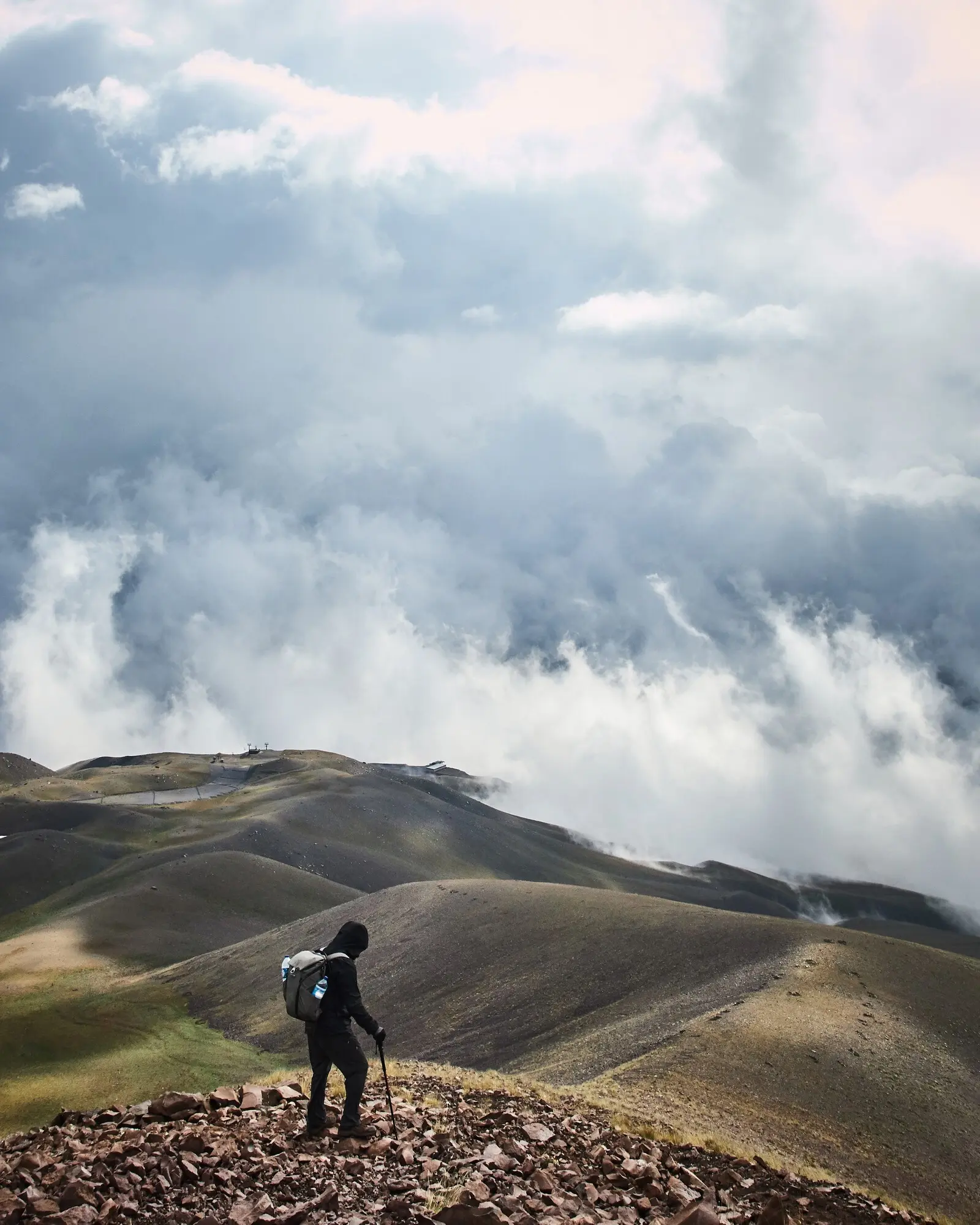
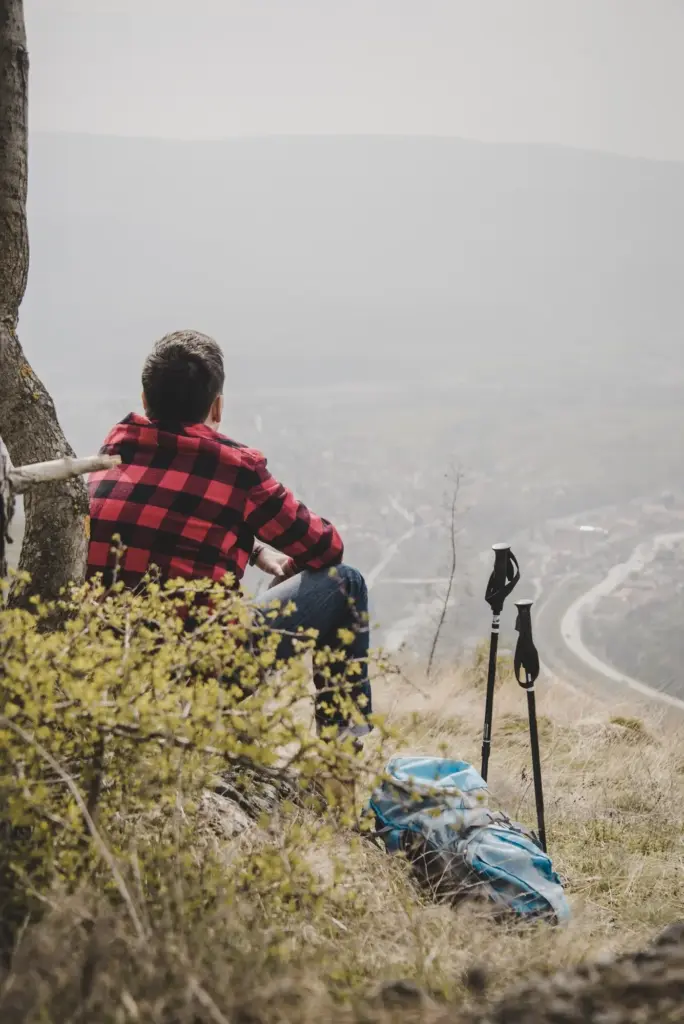
Reflected meters aim for middle gray, so bright expanses demand compensation. Start with +1 to +2 stops when snow dominates, then check shadows for detail you cannot bear to lose. Spot‑meter faces and fabrics, not just the expanse. When clouds thin, re‑meter immediately; alpine light pivots fast. Bracket with intention when time allows, and annotate frames with tiny voice notes or notebook scribbles. Later, those notes reveal patterns in your mistakes and slowly turn guesswork into understanding.
Filters for Alpine Contrast and Skies
Polarizers tame glare on ice and deepen the kind of blue that feels almost edible, but use gently to avoid uneven skies at wide angles. Yellow and orange filters steady snow tonality in black‑and‑white, helping clouds separate without shouting. A soft grad can protect dramatic skies on ridgelines, though handholding it behind a lens hood with stiff gloves may test your patience. Filters are verbs, not decorations; choose them to serve the sentence your frame is trying hard to say.
Night on the Glacier: Long Exposures and Reciprocity
After sunset, reciprocity failure sneaks in and steals light from your calculations. Consult the data for your emulsion and extend exposure accordingly, adding a safety margin when frost fogs your breath. Stabilize the tripod by hanging a small bag, shield the camera from wind with your body, and use a cable release with mechanical lock. Record times carefully; one star‑strewn success will redeem five shivering attempts. When the negative dries, those patient trails feel like mountain heartbeat etched across the dark.
Building Scenes From Foreground to Horizon
Begin with something you can touch: crampon scratches, braided rope, a thermos cap steaming in slow air. Then let the eye travel to cornices and distant ridges. Layering textures creates depth that no single grand vista can provide. Move your feet, crouch, climb a rock, and let parallax redraw the geometry. When you finally press the shutter, the frame should feel like a walk, not a postcard, with space for breath between each careful step.
Candid Moments at Altitude
True connection appears between instructions and effort, when someone fumbles with a glove, or grins after a clean step over ice. Keep the camera ready but gentle; ask consent early so trust exists when fatigue blurs politeness. A quiet nod becomes permission. Work with available light and accept the grain that accompanies sincerity. Later, those frames speak more honestly than perfect portraits, because they hold the tiny, dignified victories that mountains coax from ordinary strength.
Developing Off‑Grid: Chemistry, Water, and Heat
Turning latent images into truth far from a darkroom requires calm improvisation. Daylight tanks, a sturdy changing bag, a small thermometer, and carefully labeled bottles transform a hut table into a laboratory. Temperature control matters more than fancy gear; insulated flasks and body heat can hold solutions near target ranges. Once, with sleet rattling the shutters, I timed inversions to the rhythm of melting snow. The negatives emerged gentle yet brave, as if they remembered the storm’s own patience.
Daylight Tanks and Changing Bags in a Windy Hut
Practice loading reels with eyes closed before the trip, then practice again with cold fingers. In the field, wipe the inside of the changing bag to reduce lint, and anchor its sleeves under a jacket to block drafts. Label bottles with tactile markers for quick identification in the dark. Keep a clean towel for spills and a spare reel in case of kinks. Calm, deliberate movements beat speed; when the tank clicks shut, you earn a quiet, private cheer.
Keeping Temperatures Honest When Ice Rules the World
Chemistry forgives many sins, but not wild temperature swings. Stash developer in an insulated pouch, cradle bottles inside your jacket, and pre‑warm the tank with tempered water. If you lack a water bath, improvise with a pot in the sleeping bag. Agitation should be consistent, not heroic. When seconds matter, set a metronome app or hum a steady song. Consistency is the bridge between rough conditions and repeatable results, especially when your only thermometer fogs at the edges.
Safe Disposal and Leave‑No‑Trace Practices
Pack out what you pack in, including exhausted chemistry. Use sealed containers inside secondary zip bags, and note contents with clear labels to prevent confusion later. Never dump solutions near streams, snowmelt, or huts. A small funnel and absorbent cloth minimize mishaps. Respect custodians and guidelines posted at alpine refuges. The images you make should not cost the place its quiet; stewardship is part of authorship, and ethics are as integral as composition or exposure.
Safety, Ethics, and Lasting Community
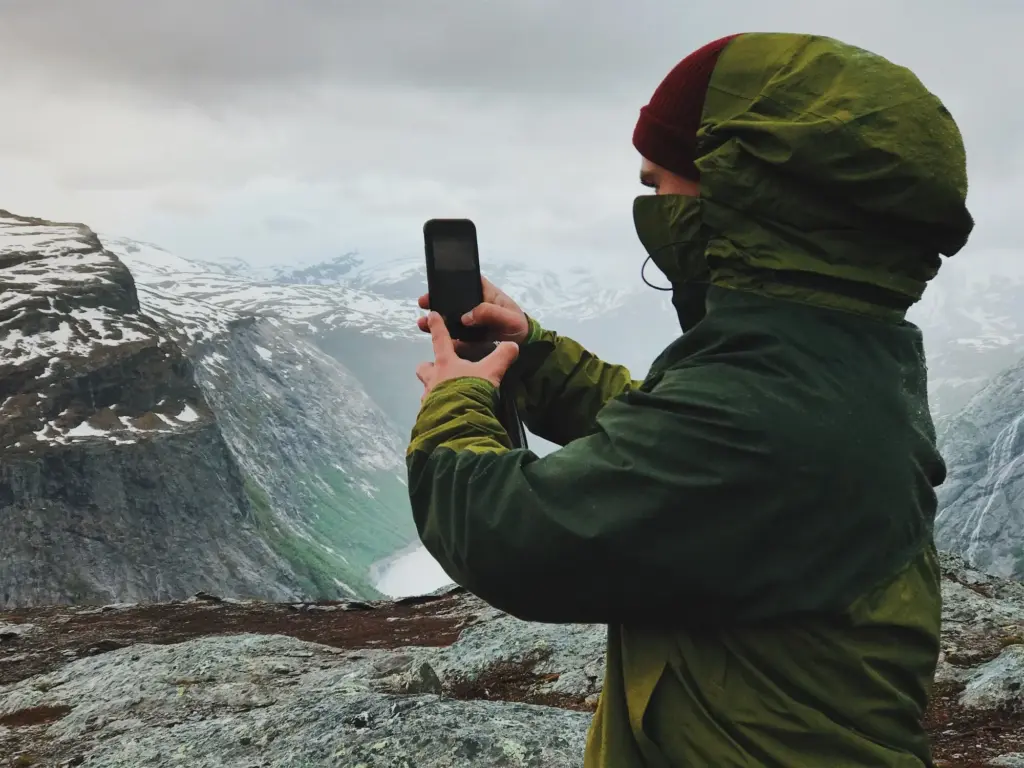
The most meaningful frames are worthless if risk outruns reason. Learn the mountain’s grammar—avalanche forecasts, weather windows, and honest turnaround times. Pack communication, first aid, and redundancy where it counts. Photograph people with consent and context, respect sacred places, and mute shutters in quiet refuges. Then share generously. Invite questions, publish contact sheets, and welcome critique. Community is how we grow better, braver, and kinder, turning solitary effort into a chorus that carries beyond the last ridge.
All Rights Reserved.